
Dry eye is one of the most common, and most under-treated, reasons people's eyes feel awful. Ironically, it can make your eyes water, not just feel dry. Reaching for artificial tears all day is a sign the underlying cause hasn't been addressed. The fix starts with figuring out why your eyes are dry.
Signs it's more than tired eyes
- Gritty, sandy or burning eyes, or a feeling like something's in them
- Watery eyes, a paradoxical reflex response to dryness
- Fluctuating or blurry vision that clears when you blink
- Tired, heavy eyes by the end of the day, especially with screens or contacts
- Redness and irritation that keeps coming back
Find the cause, then treat it
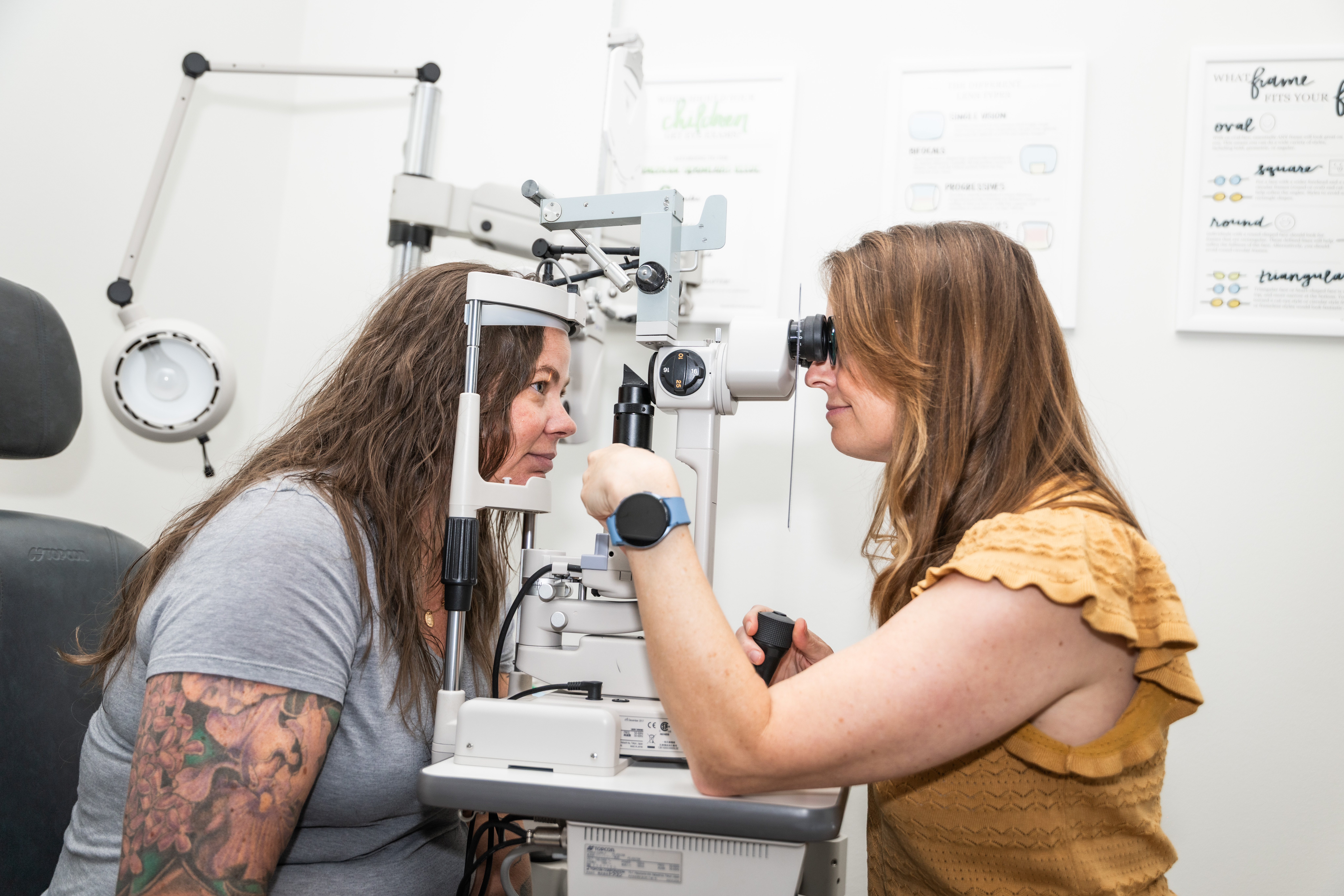
We start by evaluating your tears and the meibomian glands along your eyelids (a leading cause of dry eye), then build a plan around what we find, which may go well beyond drops. When advanced in-office treatment makes sense, we'll connect you directly with the team at Dry Eye Care Texas.
Because dry eye and eye strain often travel together, we'll also make sure your prescription and lenses aren't adding to the problem during your comprehensive exam.
Frequently asked questions
Why do my eyes water if they're 'dry'?
Watering is often a reflex to dryness, your eyes flood with low-quality tears that don't coat the surface well. Treating the underlying cause usually calms the watering.
Do you treat dry eye, or just refer it out?
We evaluate and manage dry eye here, and because our founder co-owns Dry Eye Care Texas, a clinic dedicated to dry eye disease, you have a direct path to advanced treatment when it's warranted.
What causes chronic dry eye?
Common causes include meibomian gland dysfunction, screen use, age, medications, contact lens wear and the Texas climate. A proper evaluation pinpoints which factors are driving yours.
Will I have to use drops forever?
Not necessarily. Drops manage symptoms; our goal is to treat the cause so you rely on them far less, or not at all.